Newsletter Subscribe
Enter your email address below and subscribe to our newsletter
Enter your email address below and subscribe to our newsletter
Reflections on My Beliefs, Moral Governance, and Daily Life
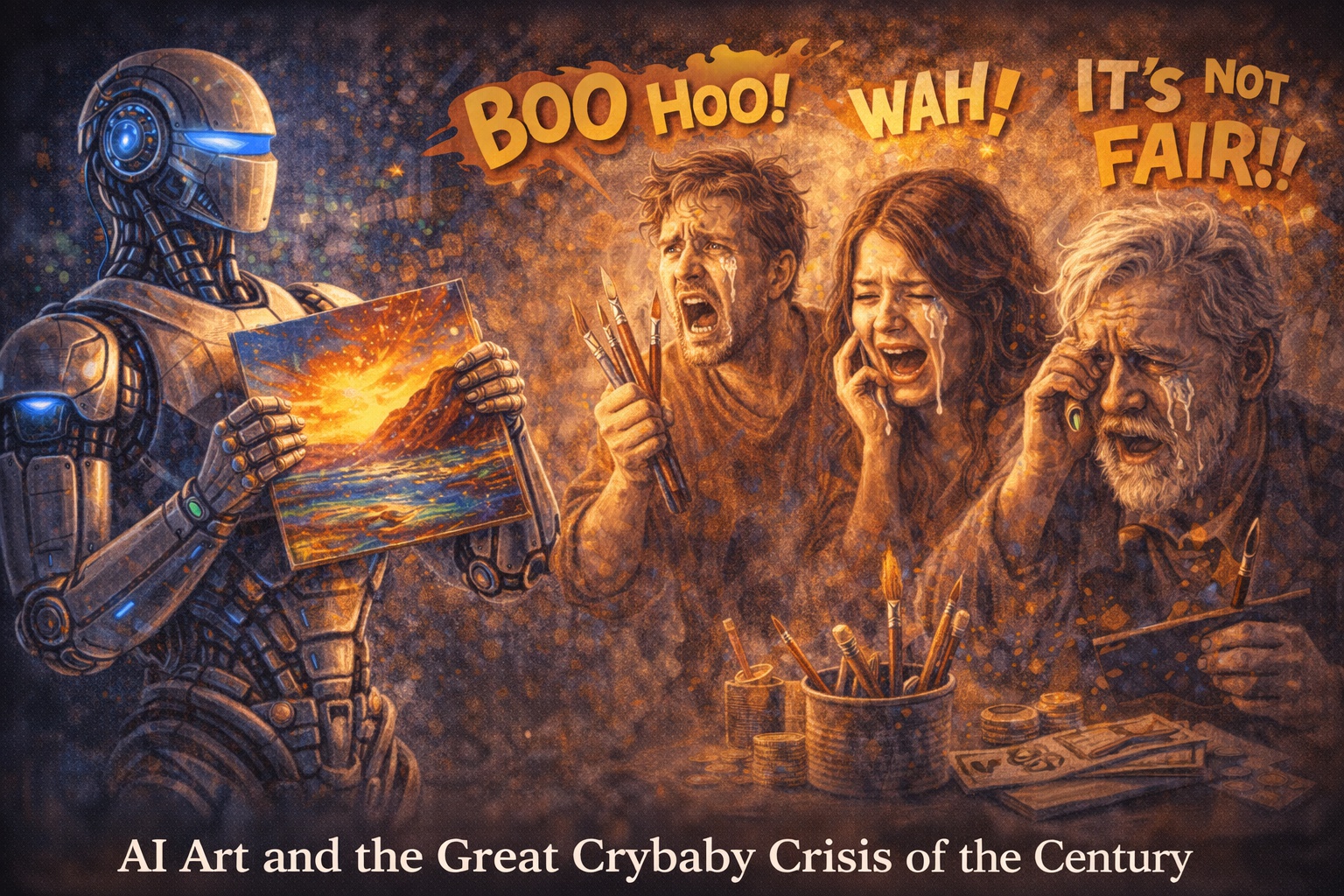
Gather ‘round, fellow pixel-pushers and prompt-wranglers, because it’s time we address the utterly tragic plight of modern artists—those brave souls currently curled into fetal positions, weeping into their overpriced styluses, screaming, “The robots are stealing our soulssss!”
Yes, I’m talking about the absurd, overblown drama surrounding AI art tools like Stable Diffusion. You’ve heard the claims: “AI is stealing our work!” “It’s scraping our art without permission!” “It’s the end of human creativity!”
Cue the violins.
Let’s cut through the melodrama: the lawsuits and endless whining over AI art tools like Stable Diffusion are ridiculous. Laughably so. The idea that training an AI to create images based on visual data is somehow “theft” is built on a foundation of hypocrisy, fear, and—let’s be honest—good old-fashioned greed.
Every artist who has ever picked up a pencil, brush, or tablet has done so with a brain full of images. Things they’ve seen. Movies. Nature. Comic books. That weird mural in the sketchy part of town. Artists—unless they’ve been blind since birth—use visual memory to create.
Guess what AI is doing? The exact same thing. It’s not copying. It’s learning, synthesizing, remixing, and producing. It’s visual memory without the meatbag.
To say humans are allowed to do this but AI isn’t? That’s not a moral high ground. That’s a double standard with a side of self-importance.
Let’s not pretend this uproar is about integrity. It’s about money. The loudest critics are terrified that their clients will stop paying $500 for a digital sketch now that a machine can produce ten options in under a minute.
This isn’t a new story. It’s the same tired tune every time automation enters an industry. And guess what?
That’s life.
Technology levels the playing field. And every time, the old guard throws a fit. But you know who thrives? The people who adapt.
“You stole my style!” they cry. “You’re profiting from my work!”
Except… no. AI models don’t reproduce artworks. They don’t spit out 1:1 copies. They learn patterns. They mimic aesthetics. Just like human artists do after scrolling through Pinterest or binging anime for a weekend.
You can’t copyright a “look.” You don’t own the concept of “moody lighting” or “vintage glitchcore with neon.” And frankly, if AI can nail your style after training on a fraction of a dataset… maybe your “uniqueness” wasn’t that unique.
What AI is actually threatening is control. The control of creative elites who liked deciding who got to be “legitimate.” Who got commissions. Who got into the club.
AI art democratizes creativity—and that scares the hell out of those who built their careers on being hard to replace.
Tough truth: if someone using a free tool and a few clever prompts can match or beat your output, that’s not the AI’s fault. That’s your wake-up call.
Art isn’t dying. It’s evolving. AI isn’t stealing—it’s unlocking. And the people screeching the loudest aren’t defending artistic integrity. They’re defending a monopoly on creative value.
You don’t own inspiration. You never did. So either evolve… or enjoy the sidelines while the rest of us build the future.
Because if a machine threatens your place at the table, maybe you weren’t bringing much to it in the first place.
Part 1 of 7: Art and the Great Crybaby Crisis of the Century
Part 2 of 7: The Myth of the Starving Artist (and Why They’re Mad AI Isn’t Starving Too)
Part 3 of 7: Copyright, Clout, and Cognitive Dissonance: The Legal Circus Around AI Art
Part 4 of 7: “But It Has No Soul!”: Debunking the Holy Grail of Anti-AI Arguments
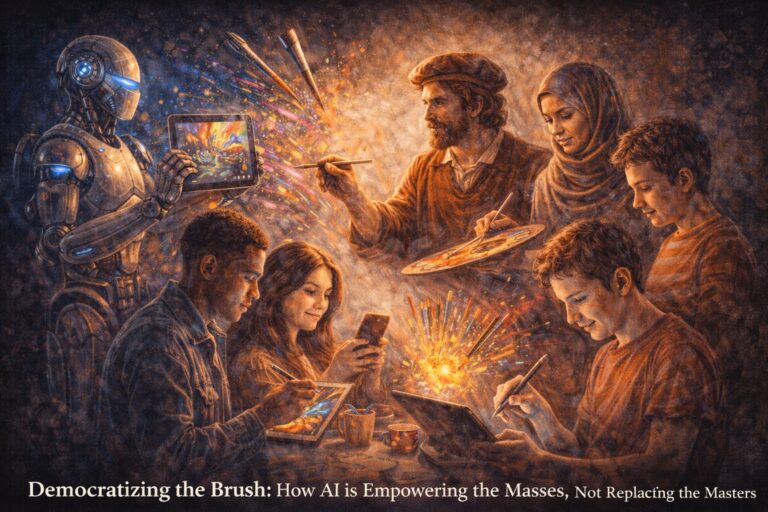
Part 5 of 7: Democratizing the Brush: How AI is Empowering the Masses, Not Replacing the Masters
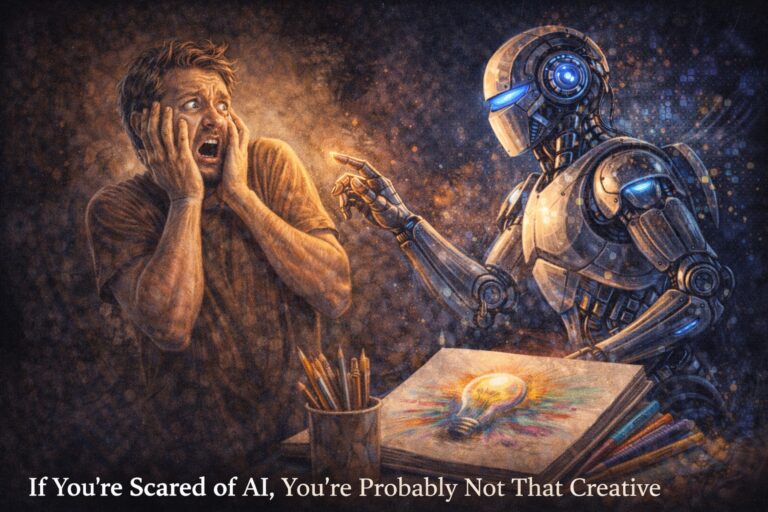
Part 6 of 7: If You’re Scared of AI, You’re Probably Not That Creative
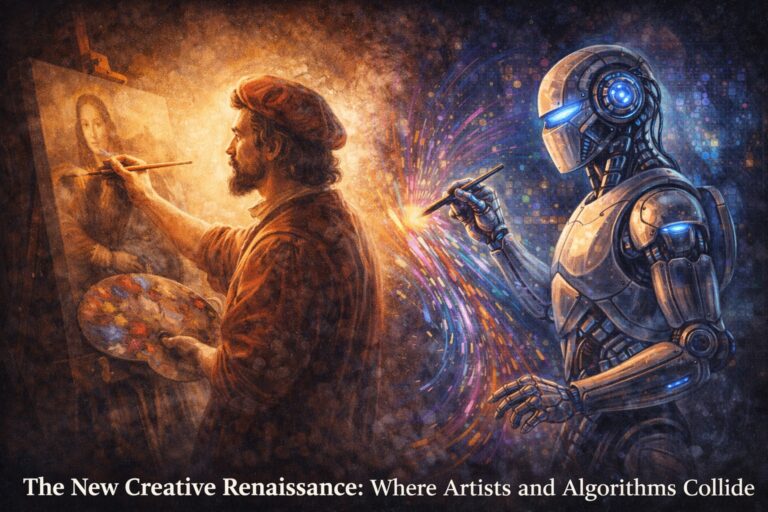
Part 7 of 7: The New Creative Renaissance: Where Artists and Algorithms Collide