Newsletter Subscribe
Enter your email address below and subscribe to our newsletter
Enter your email address below and subscribe to our newsletter
Reflections on My Beliefs, Moral Governance, and Daily Life
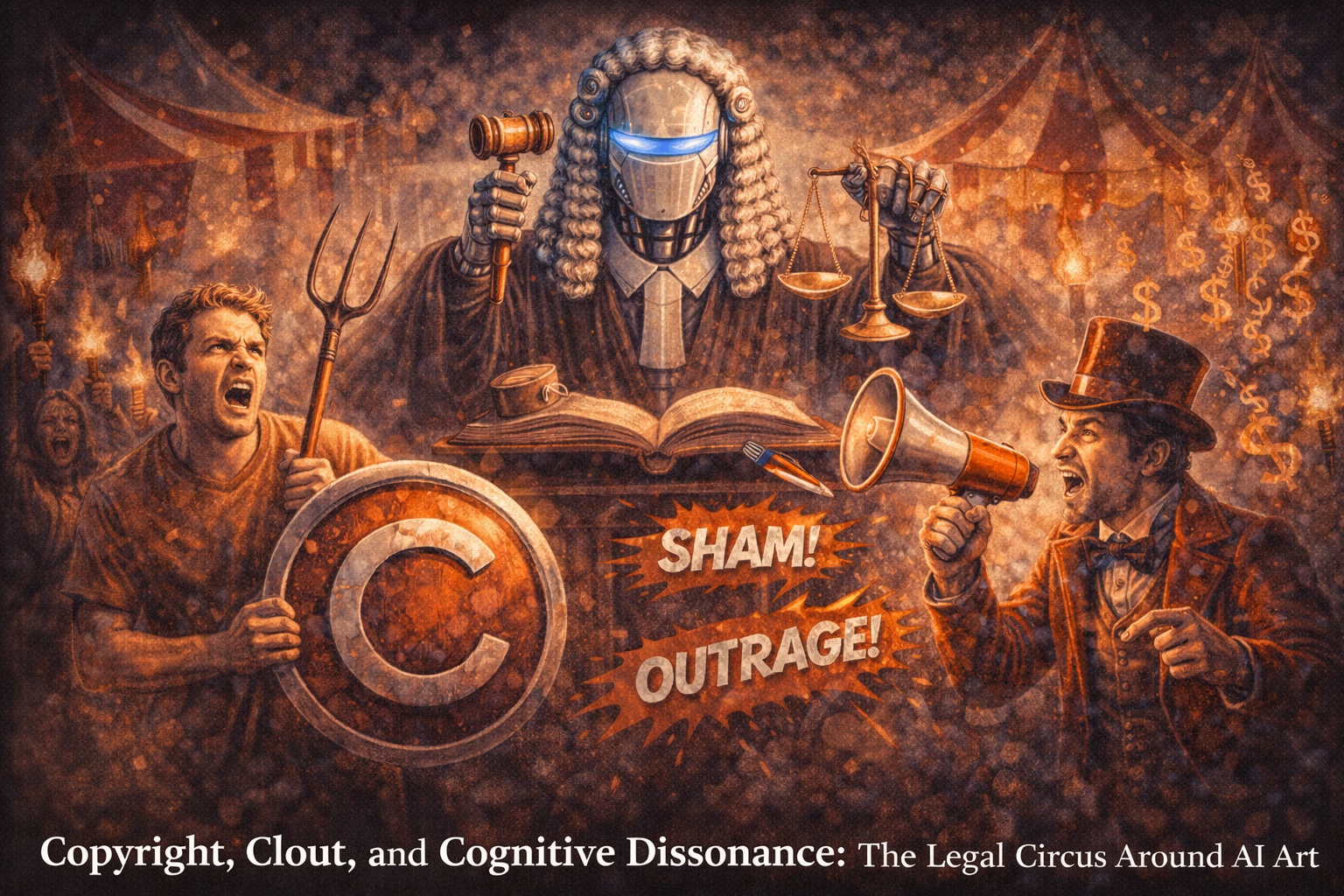
If the drama around AI art were a movie, it’d be part courtroom thriller, part Shakespearean tragedy, and 100% comedy of errors. The lawsuits? Flying fast and loose. The logic? Looser than a toddler’s drawing of a giraffe. Welcome to the legal circus where copyright law, artistic ego, and a fear of losing clout collide like a three-car pileup.
Let’s talk about the panic behind the paperwork, and why half of these lawsuits are powered less by principle and more by pure, unfiltered entitlement.
One of the favorite buzzwords of the anti-AI mob is “scraping.” AI models like Stable Diffusion are “scraping the internet,” “stealing our work,” “ripping us off!” Sounds dramatic, right?
Here’s a reality check: scraping public data isn’t theft. It’s how search engines work. It’s how machine learning learns. If you post art publicly online and someone sees it and remembers it… that’s not copyright infringement—that’s literally how brains (and neural networks) function.
But throw the word “AI” in the mix, and suddenly a perfectly legal process becomes a digital crime spree? Please.
This isn’t about rights. It’s about resentment.
“Oh no, the AI copied my style!”
Let’s have a group therapy moment for every artist who believes they own “cyberpunk street scene with neon lighting and lens flare.” Here’s a legal pro tip: style is not protected by copyright. Never has been. Never will be. You don’t own “moody silhouettes,” “brushy textures,” or “glowing eyes with a color dodge layer.”
You were influenced by others. AI was influenced by you. That’s the creative cycle. You don’t get to climb the mountain of inspiration, then kick the ladder out for everyone else.
Strip away the courtroom jargon and high-minded rhetoric, and these lawsuits boil down to one word: clout. This is about big-name artists and platforms trying to protect their market share and social status.
They’re afraid their work will be replicated. They’re afraid their income will drop. But most of all, they’re afraid that AI will devalue the mystique they’ve spent years building—the illusion that their skill makes them part of an elite, untouchable creative class.
Newsflash: that illusion is fading fast.
The legal temper tantrums are an attempt to put the genie back in the bottle using copyright as a blunt instrument. But the law isn’t a time machine. You can’t legislate away innovation just because it’s inconvenient.
Here’s where it gets truly absurd: many of the loudest voices against AI art are digital artists. People who themselves embraced tech to dethrone traditional painters. Who used Photoshop, Procreate, and photo-bashing techniques that were once seen as “cheating.”
Now the next generation of tech shows up and they’re clutching their pearls like oil painters in 1996. That’s not ethics. That’s hypocrisy with a filter overlay.
You can’t build your castle on tech and then act shocked when someone brings a better excavator.
These lawsuits aren’t about justice. They’re about control. They’re desperate attempts to hold onto a model where art was slow, expensive, and exclusive. But technology doesn’t care about your ego—or your Etsy store.
AI isn’t destroying art. It’s exposing a system built on artificial scarcity and gatekeeping. And if your business model crumbles because the tools got better, maybe the problem isn’t the tools.
It’s time to stop lawyering up and start leveling up.
Part 1 of 7: Art and the Great Crybaby Crisis of the Century
Part 2 of 7: The Myth of the Starving Artist (and Why They’re Mad AI Isn’t Starving Too)
Part 3 of 7: Copyright, Clout, and Cognitive Dissonance: The Legal Circus Around AI Art
Part 4 of 7: “But It Has No Soul!”: Debunking the Holy Grail of Anti-AI Arguments
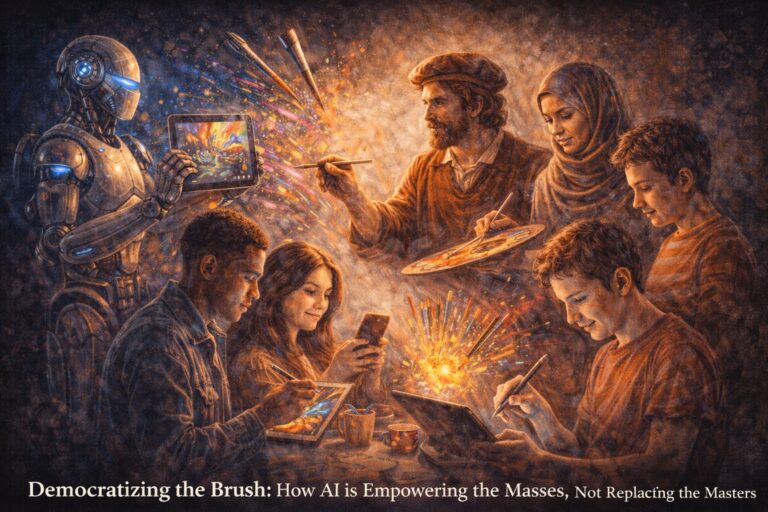
Part 5 of 7: Democratizing the Brush: How AI is Empowering the Masses, Not Replacing the Masters
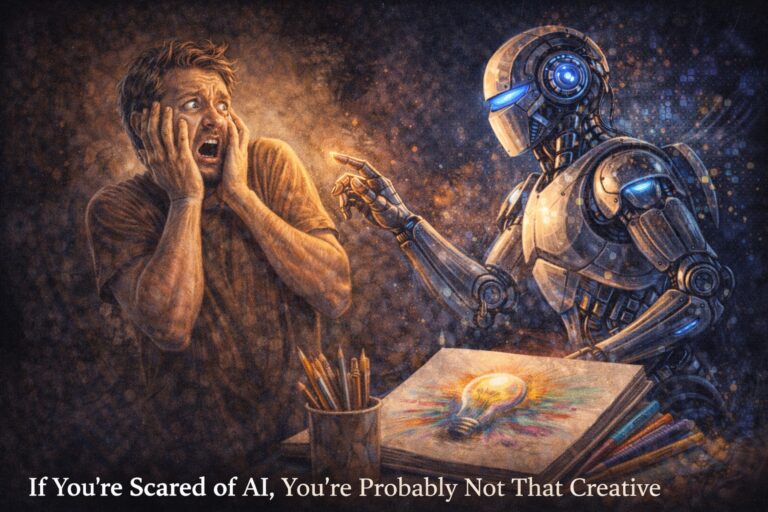
Part 6 of 7: If You’re Scared of AI, You’re Probably Not That Creative
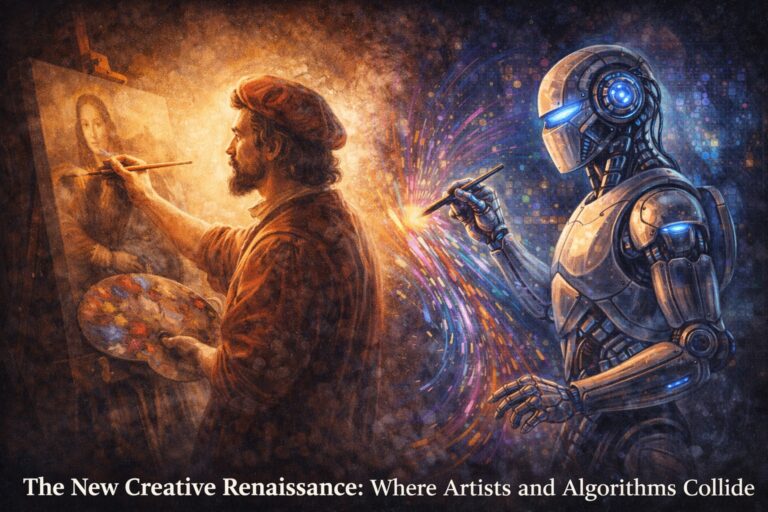
Part 7 of 7: The New Creative Renaissance: Where Artists and Algorithms Collide